
How to Verify an Online Resource
In the digital age, ensuring the credibility of online information is paramount. With the abundance of resources available at our fingertips, distinguishing truthful content from misinformation is crucial. This article provides a comprehensive guide on How to Verify an Online Casino License Mostbet polska verifying online resources effectively, offering essential steps and tips to navigate the vast online landscape safely.
Understanding the Importance of Verification
Verification is the practice of checking the accuracy and authenticity of information. This process is vital for various reasons, including:
- Misinformation Prevention: False information can lead to misunderstandings and poor decision-making.
- Safety: In terms of financial transactions or personal data sharing, verifying sites and information protects against potential scams.
- Credibility: Reliable sources enhance the credibility of your arguments or claims, particularly in academic or professional settings.
Step-by-Step Guide to Verifying Online Resources
1. Check the Source
Before delving into the content, take a moment to investigate the source of the information:
- Domain Name: Reputable organizations often have specific domains (e.g., .gov, .edu, or .org). While this isn’t a definitive rule, it can be a helpful indicator of credibility.
- About Us Page: Legitimate websites typically provide an “About Us” section that outlines their mission, leadership, and expertise.
- Contact Information: Real organizations usually list contact details, including physical addresses, phone numbers, and email addresses.

2. Evaluate the Author
Consider the author’s credentials and expertise:
- Qualifications: Look up the author’s qualifications to determine if they are knowledgeable about the subject matter.
- Other Works: A quick search for the author’s other publications can provide insight into their competence and reliability.
- Reputation: Consider if the author is recognized and respected in their field.
3. Cross-Check Information
Don’t rely solely on one source of information. Cross-check facts with multiple reputable sources:
- Fact-Checking Websites: Utilize sites like Snopes, FactCheck.org, or PolitiFact to verify claims.
- News Outlets: Compare information against established news organizations to confirm its accuracy.
4. Analyze the Content
Pay attention to the nature of the content itself:
- Clarity and Objectivity: Credible sources present information clearly and objectively, without excessive emotional language or bias.
- Citations: Reliable content cites primary sources or provides references that can be further explored.
- Publication Date: Ensure the information is current. Outdated information may lead to misinterpretation.
5. Assess the Website Design
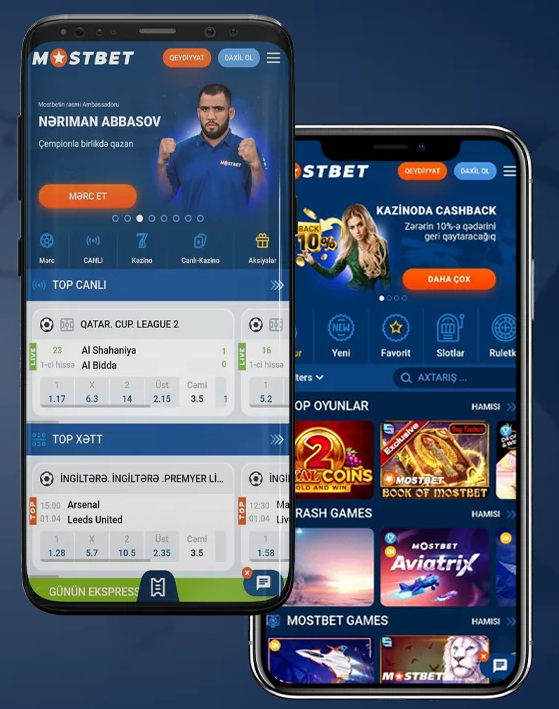
While it might seem superficial, the design of a website can indicate its reliability:
- Professional Appearance: Well-maintained websites with professional designs tend to be more trustworthy.
- Ads and Pop-ups: Excessive advertising or intrusive pop-ups can be red flags for sketchy websites.
6. Look for Reviews or Feedback
Search for reviews about the website or author to gather community feedback:
- Social Media: Platforms like Twitter or Facebook can provide insights into how others perceive the source.
- Forums and Blogs: Discussions on forums can offer both positive and negative perspectives.
Common Red Flags to Watch Out For
While verifying sources, be vigilant for common red flags that may suggest deceit or incompetence:
- Overly Sensational Headlines: Titles designed purely to provoke strong emotional reactions may indicate unreliable content.
- Lack of Sources: Articles that do not provide sources for their claims are often less trustworthy.
- Bias: Content that excessively favors one viewpoint without acknowledging others may not offer a fair representation of facts.
Conclusion: Staying Informed Safely
In an information-rich world, developing skills to verify online resources is essential for safeguarding against misinformation. By following these steps, you can enhance your ability to discern credible information, protecting yourself from scams and ensuring informed decision-making. Always remain cautious and critical of the sources you encounter on your online journey!